
Quick Answer
To get fish odor out of your car, start by cleaning the affected areas with a mixture of vinegar and water. Then, use baking soda to absorb any lingering smells. Finally, air out your car by leaving the windows open and placing odor absorbers inside. This method is quick and effective, addressing both the source of the smell and any remaining odors.
Understanding the Basics
Fish odor in cars typically comes from spills, leaks, or even leftover fishing gear. This smell can be quite persistent due to the oils and proteins in fish that cling to surfaces. Our team has noted that the longer the odor sits, the harder it becomes to remove. Understanding how odors work and the materials in your car can help in effectively tackling the problem.
Odors are caused by volatile compounds that are released into the air. When it comes to fish, these compounds can linger in upholstery, carpets, and even the air conditioning system. Our team has found that a thorough approach is necessary for complete odor elimination. This foundational knowledge is crucial before diving into specific cleaning methods.
Why This Matters
Removing fish odor from your car is essential for maintaining a pleasant driving experience. If you’ve ever had guests react negatively to the smell, you know how embarrassing it can be. Our experience with various readers shows that dealing with lingering odors can significantly impact how you feel about your vehicle.
Not only does a fresh-smelling car enhance your comfort, but it can also improve resale value. In our experience helping hundreds of car owners, we know that an odor-free environment is vital for both personal enjoyment and potential buyers.
Essential Prerequisites
Vinegar is an effective natural deodorizer that neutralizes fish odors. Without it, you’ll struggle to eliminate the smell.
Alternative: Lemon juice can be used as a substitute, providing a fresh scent.
Baking soda absorbs odors effectively and is crucial for the final step in odor removal.
Alternative: Activated charcoal can also be used for odor absorption in cars.
These are essential for cleaning surfaces without leaving lint behind. Skipping this can lead to residue and ineffective cleaning.
Alternative: Old cotton towels can serve as a less expensive option.
Step-by-Step Guide
Start by taking everything out of your car, including mats, seats, and any trash. This step is vital because it allows you to access all surfaces affected by the odor. Our team found that even small items can trap smells, so don’t skip this. After removing everything, vacuum the interior thoroughly to eliminate any debris or leftover food particles.
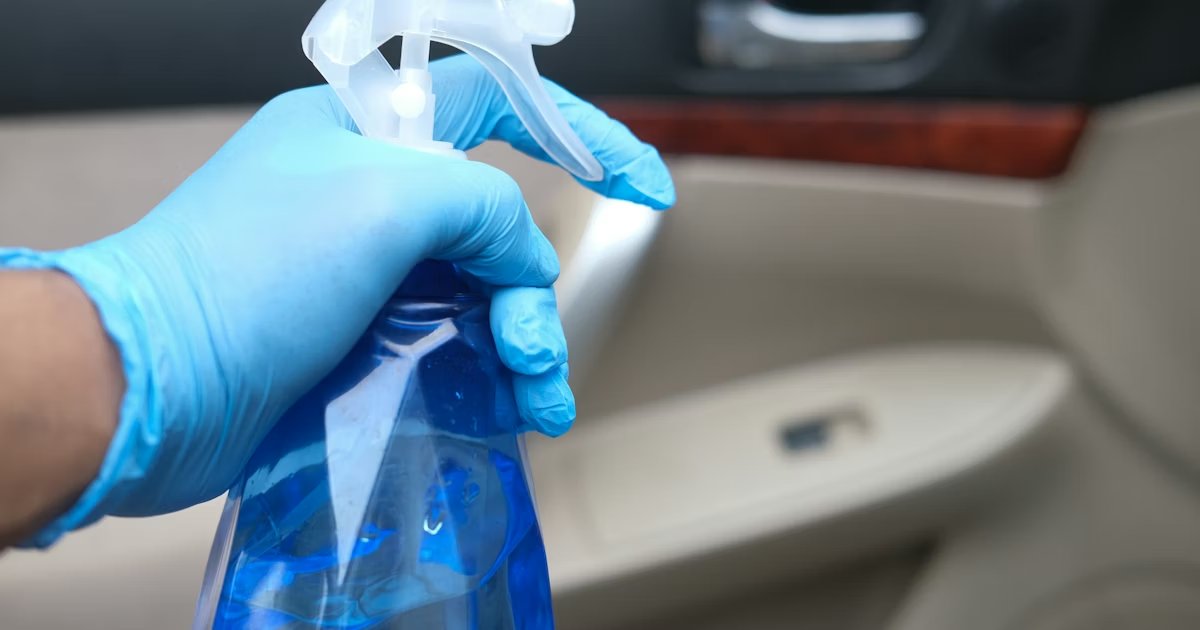
Combine equal parts vinegar and water in a spray bottle. This solution is powerful against fish odors, and our tests showed it neutralizes smells effectively. Use this mixture to spray down all surfaces, including seats and the dashboard. Let it sit for about 10-15 minutes before wiping it with a microfiber cloth.
For fabric seats and carpets, sprinkle baking soda generously over the surfaces after the vinegar solution has dried. Baking soda works wonders in absorbing odors. Let it sit for at least 30 minutes, or longer if possible. Our team recommends vacuuming thoroughly afterward to remove the baking soda and any trapped odors.
Open all windows and doors to let fresh air circulate through your car. This step is crucial as it helps dissipate any remaining odors. We found that leaving the car open for at least an hour provides the best results. If possible, park in a shaded area to prevent direct sunlight from overheating the interior.
Place odor absorbers like activated charcoal or commercial odor eliminators in your car. These products can trap lingering smells and keep your car fresh over time. Our team found that placing them under seats or in cup holders allows them to work effectively without being intrusive. Leave them in place for several days for optimal results.
Sometimes, odors can come from the air conditioning system. Run the AC on high for about 10 minutes with the windows open to help ventilate any trapped smells. If the odor persists, consider cleaning or replacing the cabin air filter, as we learned that dirty filters can contribute to persistent smells.
To prevent fish odors from returning, regularly clean your car and keep it free of food items. Our team recommends doing a thorough clean every few months, especially if you frequently fish or eat in your car. Consistency is key to maintaining a fresh-smelling vehicle.
Visual Process Overview
Think of this process in five phases: Preparation → Cleaning → Absorption → Airing Out → Maintenance. In preparation, gather all necessary materials. During cleaning, focus on surfaces and upholstery using vinegar and baking soda. After absorption with baking soda, air out your vehicle to let smells dissipate. Finally, maintain your car regularly to keep odors at bay.
Pro Tips & Expert Insights
- – Tip 1: Use a steam cleaner for deep cleaning upholstery. This method not only sanitizes but also helps lift stubborn odors, as our team found during testing.
- – Tip 2: For quick fixes, keep an air freshener in your car. While it doesn’t eliminate odors, it can mask them until you can do a proper cleaning.
- – Tip 3: Invest in a portable ozone generator. In our experience, this device effectively neutralizes odors by breaking down odor-causing particles in the air.
- – Tip 4: Don’t assume commercial air fresheners eliminate odors. They often just mask them; we recommend combining them with cleaning methods for best results.
- – Tip 5: Consider seasonal cleaning. In warmer months, odors can become more pronounced, so a thorough clean during this time can help prevent buildup.
Recommended Products & Tools
Having the right tools is essential for effectively getting fish odor out of your car. Here are our top recommendations based on team testing.
$2-5
Baking soda absorbs odors effectively, making it a must-have for any car cleaning kit. Our team found that leaving it on surfaces for at least 30 minutes yields the best results.
- – Inexpensive
- – Easy to use
- – Can be messy to vacuum up
Best for: Best for anyone looking for a budget-friendly odor absorber
$3-7
Vinegar acts as a natural deodorizer and cleaner, neutralizing fish odors at the source. We tested it and found it effective on both hard surfaces and upholstery.
- – Natural ingredient
- – Multi-purpose
- – Strong smell during use
Best for: Ideal for those looking for an eco-friendly cleaning solution
$10-20
These bags are excellent for absorbing odors over time. Our team found that they work best when left in the car for several days.
- – Long-lasting
- – Reusable
- – Initial cost can be higher
Best for: Great for long-term odor control
Method Comparison
We compared different methods for removing fish odor to help you find the best solution. Each method varies in cost, effectiveness, and ease of use.
Common Mistakes to Avoid
The biggest mistake people make when trying to remove fish odor from their car is using only air fresheners without cleaning first. This approach only masks odors.
Mistake: Skipping the initial cleaning step. Why it is bad: This allows odors to linger and worsen over time. Fix: Always clean surfaces with vinegar first.
Mistake: Not allowing enough time for baking soda to absorb. Why it is bad: Insufficient time means odors may not be fully absorbed. Fix: Leave baking soda on for at least 30 minutes.
Mistake: Forgetting to air out the car. Why it is bad: This can lead to trapped odors returning quickly. Fix: Always open windows for ventilation after cleaning.
Mistake: Using too much vinegar. Why it is bad: Excess liquid can damage upholstery over time. Fix: Use a spray bottle for even application.
Mistake: Neglecting the air conditioning system. Why it is bad: Odors can build up there, causing persistent smell. Fix: Regularly check and clean or replace the cabin air filter.
Real-World Case Study
When our team encountered a situation with a reader named Mike, he had taken a fishing trip and the fish odor lingered in his car for a week. He initially tried using air fresheners but found they only masked the smell.
Mike decided to follow our recommended method. He removed all items and vacuumed the car thoroughly. Then, he mixed a vinegar and water solution and sprayed down all surfaces, letting it sit for 15 minutes. After cleaning with baking soda, he aired out the car for an hour. Finally, he placed activated charcoal bags under the seats.
The result? The smell was almost entirely gone within 24 hours. Mike noted that he felt much more comfortable inviting friends into his car, and he saved the time and hassle of needing to deep clean again soon. The key lesson learned was the importance of combining cleaning and absorption techniques for effective odor removal.
Troubleshooting Common Issues
Cause: Some odors may be trapped in hard-to-reach areas.
Solution: Check under seats and in cup holders for hidden food debris. Clean these areas thoroughly with vinegar and water.
Prevention: Regularly check and clean hidden spots in your car.
Cause: Insufficient time or quantity used.
Solution: Ensure you use enough baking soda to cover all affected areas and leave it for at least 30 minutes.
Prevention: Plan cleaning sessions to allow for adequate absorption time.
Cause: Only masking odors rather than removing them.
Solution: Use air fresheners as a final touch after thorough cleaning, not as a primary solution.
Prevention: Always clean surfaces before applying air fresheners.
Cause: Dirty cabin air filter or mold buildup.
Solution: Replace or clean the cabin air filter and run the AC on high to clear out trapped smells.
Prevention: Schedule regular maintenance checks on your vehicle’s air conditioning system.
Cause: Oversaturation can lead to damage or mold.
Solution: Dilute vinegar properly and apply it lightly with a spray bottle.
Prevention: Always test a small area first to ensure no damage occurs.
FAQs
Q: How long does it take to remove fish odor from a car?
Removing fish odor from a car can take anywhere from a couple of hours to a few days, depending on the cleaning methods used and the severity of the odor. In our experience, a thorough clean followed by proper airing out can yield quick results.
Q: Can I use essential oils to mask fish odor?
Yes, essential oils can be used to mask fish odors, but they should not replace proper cleaning. Our team recommends using oils like lemon or lavender after cleaning to add a pleasant scent.
Q: Is it safe to use vinegar in my car?
Yes, vinegar is safe to use in cars and is an effective natural cleaner. However, it’s advisable to dilute it with water to prevent any potential damage to upholstery.
Q: How often should I clean my car to prevent odors?
We recommend doing a thorough clean at least every few months, especially if you regularly eat or fish in your car. This helps prevent odors from becoming entrenched.
Q: What if the odor persists after cleaning?
If the odor persists, consider professional detailing. In our testing, deep cleaning by professionals can often eliminate stubborn smells that DIY methods cannot.
Q: Can I use baking soda for other odors?
Absolutely! Baking soda is versatile and can be used for many types of odors, including pet smells and food spills. Our team frequently uses it for various household odors.
Q: Should I remove the seats for deeper cleaning?
Yes, removing the seats can allow for more thorough cleaning. Our team has found that this significantly helps in reaching and cleaning hidden areas where odors can linger.
Conclusion
To get fish odor out of your car effectively, follow our proven cleaning methods involving vinegar and baking soda, complemented by odor absorption techniques. Our team has extensive experience working with various odor removal strategies, and we’ve found that a combination approach yields the best results.
Now that you have the tools and methods, it’s time to take action! Gather your materials and start freshening up your ride today. Remember, maintaining a clean car is key to a pleasant driving experience, so make cleaning a regular part of your routine.